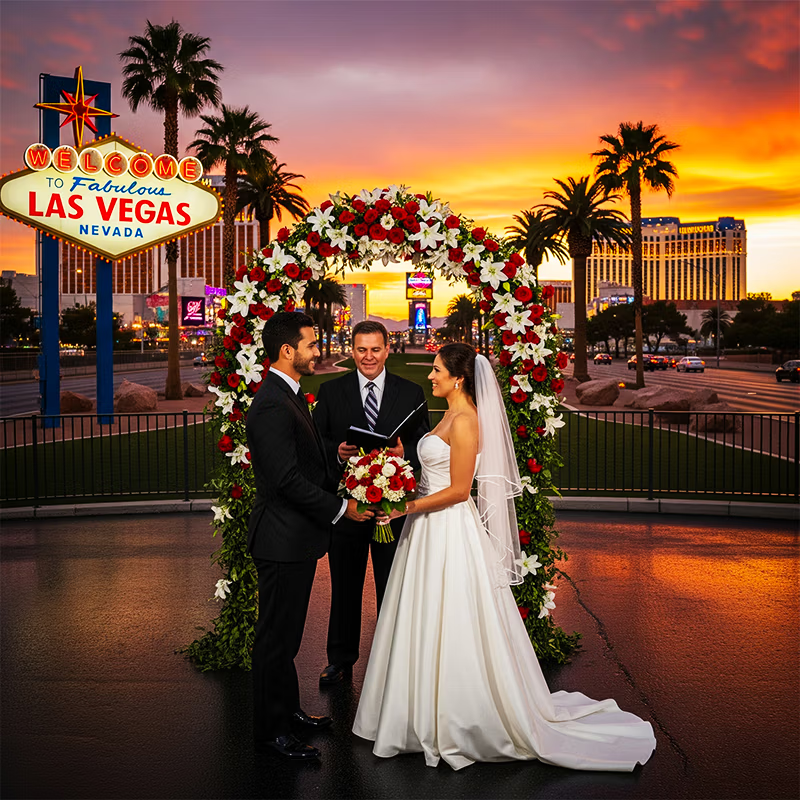
Las Vegas Weddings · Destination Guide
The Rise of Las Vegas
A look at growing visitation over the years — and why the world's most visited desert city became its most popular place to elope.
40M+
Annual visitors (2023)
#1
US convention destination
150,000+
Hotel rooms on the Strip
320+
Sunny days per year
From Desert Town to Global Destination
How Las Vegas Became the World's Most-Visited Desert City
In 1945, Las Vegas was a railroad stop of 25,000 people surrounded by nothing. Today it hosts more than 40 million visitors a year, more hotel rooms than any city in the United States, and a global reputation as the place where ordinary rules don’t apply.
That transformation didn’t happen overnight. It happened decade by decade, resort by resort, and decision by decision — a story of reinvention that mirrors the desert itself: seemingly barren until suddenly, spectacularly alive.
For couples, the story matters because Las Vegas isn’t just easy to get married in — it’s genuinely worth traveling to. The city that built itself on the promise of possibility has been delivering on it for more than 70 years.
Decade by Decade
Seventy Years of Growth
1950s–1960s
~4–8 million
The Desert Gamble Pays Off
Las Vegas in the 1950s was a small desert city with enormous ambition. The Flamingo, Sands, and Desert Inn lined a stretch of highway that would become the Strip. Rat Pack residencies made the city synonymous with glamour, and visitors began arriving not just to gamble but to be seen. By the end of the 1960s, Las Vegas was drawing roughly 8 million visitors annually — a number that seemed impossible for a city carved out of Mojave sand.
1970s
~9–11 million
Conventions and the Corporate Era
The 1970s brought a new visitor profile: the convention delegate. The Las Vegas Convention Center expanded, and the city positioned itself as a legitimate business destination. MGM Grand (the original) opened in 1973 as the largest hotel in the world. Visitation climbed steadily through the decade, laying the infrastructure for the explosion that would follow.
1980s
~12–15 million
Entertainment Capital Takes Shape
The 1980s cemented Las Vegas as the entertainment capital of the world. Mega-resorts competed on scale and spectacle. Celebrity headliners packed showrooms year-round. The city began attracting families and couples alongside its traditional gambling base. By the late 1980s, annual visitation crossed 15 million — and the biggest era of growth was still ahead.
1990s
~20–30 million
The Megaresort Boom
The 1990s transformed Las Vegas permanently. The Mirage, Excalibur, MGM Grand, Luxor, Treasure Island, Bellagio, Mandalay Bay, and Paris Las Vegas all opened within a single decade. The Strip became a destination in its own right — a place people flew to just to walk, watch, and experience. Visitation nearly doubled over the course of ten years, surpassing 30 million by the late 1990s. Las Vegas had become one of the most-visited cities on earth.
2000s
~35–38 million
The Rise of the Modern Elopement
The 2000s brought international recognition and a new wedding culture. Las Vegas was already the wedding capital of the world in volume, but couples began seeking something beyond the chapel — intimate ceremonies at dramatic locations outside the city. LVWC, founded in 1998, had anticipated this shift. Desert elopements at Valley of Fire, Nelson Ghost Town, and the Eldorado Dry Lakebed became part of the Las Vegas experience for couples who wanted something real alongside the spectacle.
2010s
~38–42 million
Forty Million and Climbing
The 2010s saw Las Vegas stabilize at a remarkable plateau: roughly 40–42 million visitors annually. The city diversified further — major sports franchises (Golden Knights, Raiders, Aces), international residencies, and an explosion in food and nightlife transformed who came and why. The micro-wedding and elopement category grew alongside it, driven by couples who wanted the ease of Las Vegas logistics with the beauty of its surrounding landscapes.
2020–Present
~19M (2020) → 40M+ (2023)
Resilience and Record Recovery
The COVID-19 pandemic was the sharpest disruption Las Vegas had ever faced. Visitation collapsed to roughly 19 million in 2020 as the Strip shut down for months. The recovery was equally dramatic: 32 million in 2021, 38 million in 2022, and more than 40 million by 2023. Las Vegas not only recovered but reasserted itself as one of the most resilient tourism destinations in the world. Formula One, the Super Bowl, and a growing calendar of global events have ensured the city's next chapter is as ambitious as its first.
What It Means for Couples
The World's Easiest City to Get Married In
Las Vegas’s growth as a destination isn’t incidental to its appeal as a wedding city — it’s the foundation of it. The same infrastructure that moves 40 million visitors through the city each year makes eloping here simpler than anywhere else in the world. Direct flights from virtually every US city. Hotels in every category. A marriage license bureau open daily until midnight. No waiting period.
But what has changed since LVWC opened in 1998 is what couples do once they arrive. The chapel is no longer the only option. Within an hour of the Strip, you have some of the most cinematic desert landscapes in North America — red sandstone formations, ghost town backdrops, ancient dry lakebeds, and helicopter access to the Grand Canyon. Las Vegas grew into a global destination; the desert was always there.
Forty million people a year come to Las Vegas for their reasons. More couples than ever are coming for theirs.
Common Questions
Las Vegas Destination FAQ
How many people visit Las Vegas each year?
How many tourists visit Las Vegas each year?
When did Las Vegas become the most popular wedding destination in the US?
Why do so many couples choose to elope in Las Vegas?
Is Las Vegas still growing as a tourist destination?
What is the best time of year to visit Las Vegas for a wedding?
Join the Story
Plan Your Las Vegas Wedding
LVWC has been part of Las Vegas's wedding story since 1998. Desert ceremonies from $850 — all-inclusive, no hidden fees, 200+ photos delivered.
Keep Planning
Related Guides
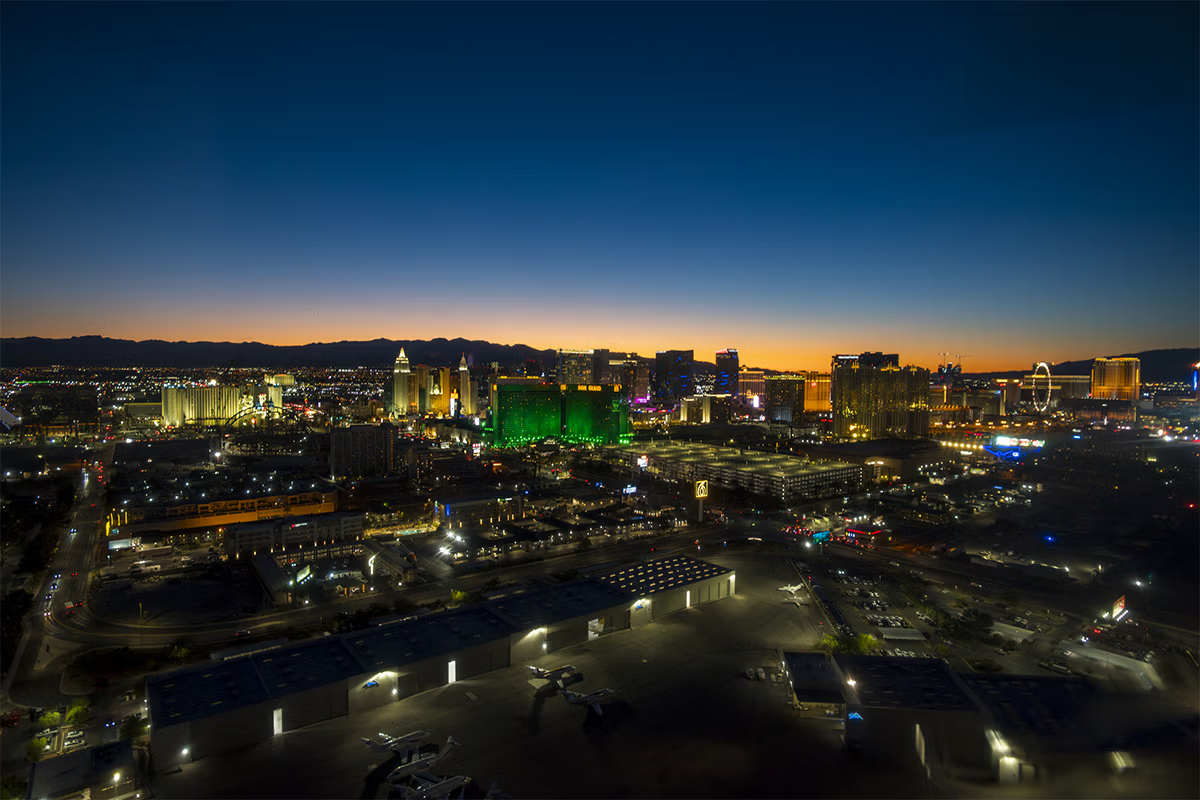
Guests, Travel & Las Vegas
Las Vegas Convention Season & Your Wedding: Why Timing Your Hotel Block Matters
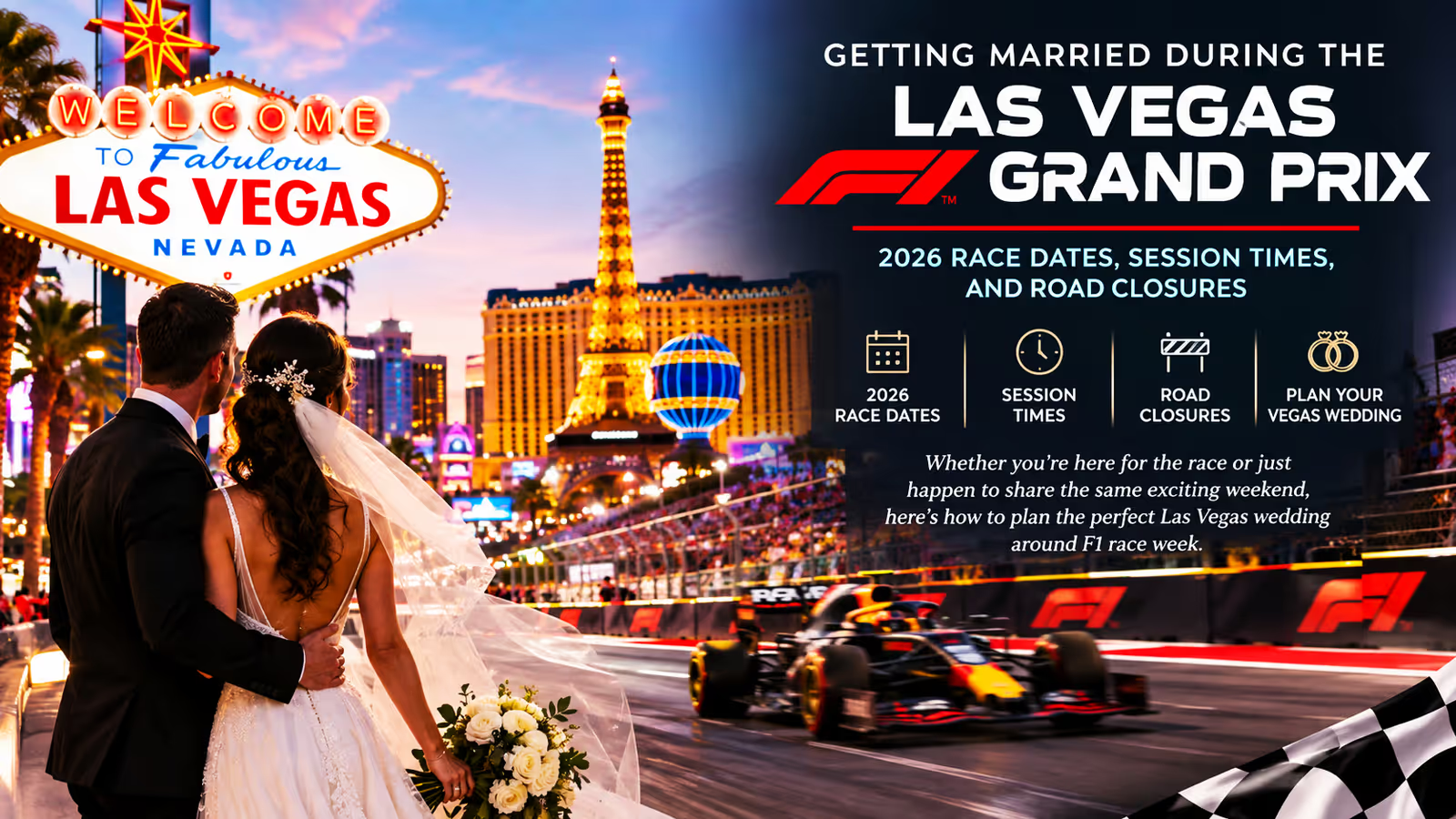
Guests, Travel & Las Vegas
Getting Married During the Las Vegas Grand Prix (2026): Dates, Road Closures & Race-Week Tips
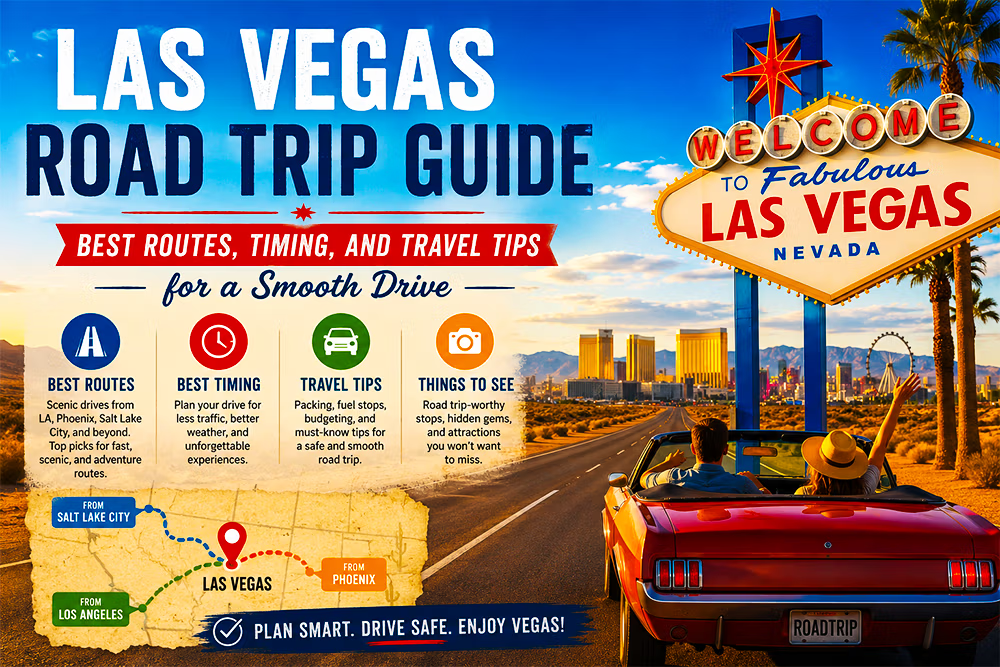
Guests, Travel & Las Vegas